
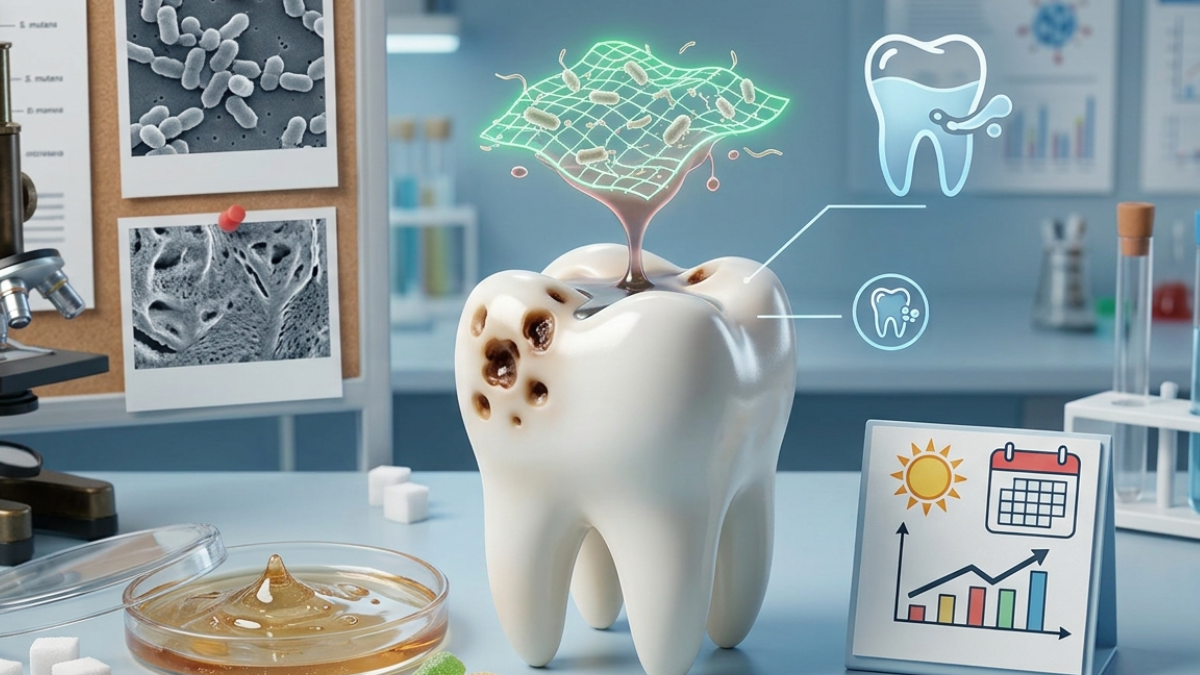
The question of what causes tooth decay in children is one of the topics frequently researched by people seeking information about treatment. However, in oral and dental health, the same symptom or condition does not necessarily require the same treatment for every patient. In this article, we explain the key points of the topic and what is considered during an examination.
Tooth decay in children develops when bacteria in the mouth use frequently consumed sugary carbohydrates to produce acid, leading to mineral loss in tooth tissue.
In what situations is it evaluated?
Frequent consumption of sugary foods and beverages, insufficient fluoride, ineffective brushing, and exposure to sugary beverages overnight can increase the risk.
How does the treatment or evaluation process proceed?
For preventive care, brushing with age-appropriate fluoride toothpaste, parental support, reducing the frequency of sugar consumption, and regular dental checkups are important.
What should be paid attention to?
Although baby teeth are temporary, cavities in them can cause pain, infection, and nutritional problems. White spots in the early stages should also be evaluated.
Frequently asked questions
Is the same method suitable for everyone?
No. The current condition of the teeth, surrounding tissues, general health and the person's expectations are evaluated together. General times or results shared on the internet are not a substitute for an individual examination.
What should be done before treatment?
It is useful to apply for a dentist examination by informing about your current complaints, medications you use and previous treatments. If necessary, radiographic examination and opinions from relevant fields of expertise may be requested.
Evaluation at Istanbul Galata University Dental Hospital
At the Istanbul Galata University Dental Hospital, consultations regarding the causes of tooth decay in children are evaluated based on the patient’s clinical findings and treatment needs. Appropriate treatment options can be planned on an individualized basis following an examination by a specialist in the relevant field of dentistry. Please contact our hospital for more information or to schedule an appointment.
Medical information: This article is for general information purposes; It is not a substitute for diagnosis or personalized treatment advice.