
Questions about post-implant care are among the topics most frequently searched by people seeking information about the treatment. However, in oral and dental health, the same symptoms or expectations do not necessarily require the same treatment for every patient. In this article, we explain the key points of the topic and what is considered during an examination.
Post-implant care begins with the initial surgical recovery period and continues through the long-term use of the prosthesis.
In what situations is it evaluated?
Mild swelling, tenderness, or minor bleeding may occur in the first few days. You should follow the surgeon’s instructions regarding diet, oral hygiene, and medication.
How does the treatment or evaluation process proceed?
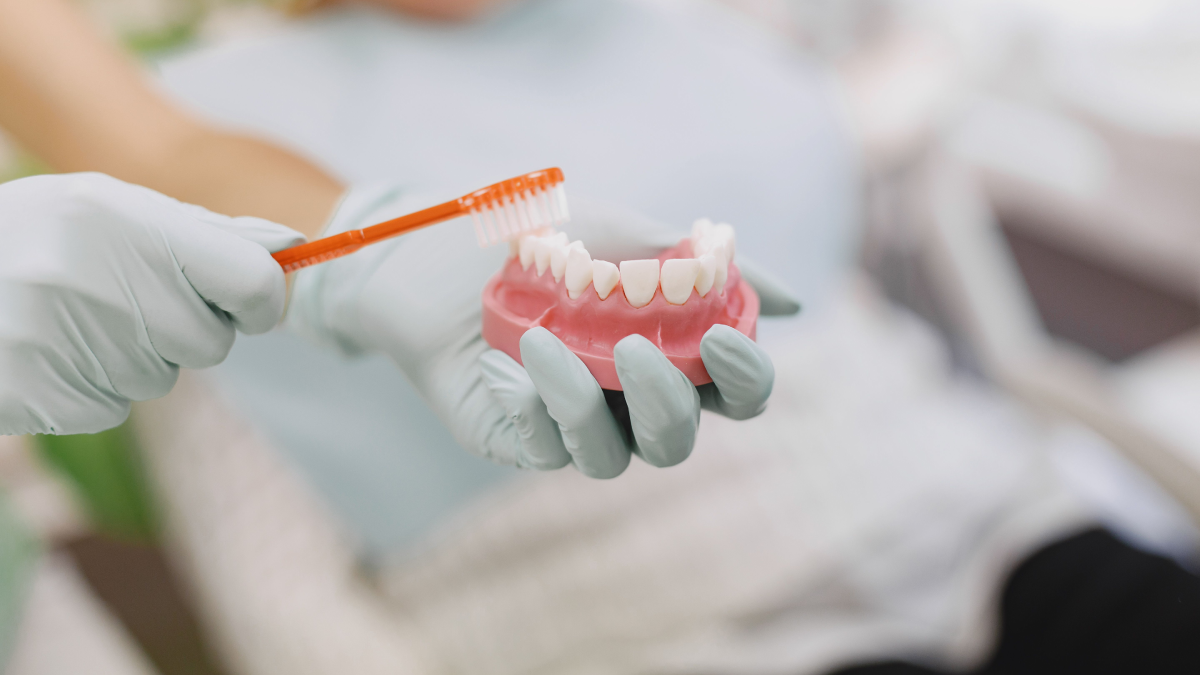
As healing progresses, regular cleaning around the implant, the use of appropriate interdental cleaning tools, and professional checkups become increasingly important.
What should be paid attention to?
Increased swelling, fever, uncontrolled bleeding, or implant/prosthesis mobility should not be considered normal; consult your healthcare team.
Frequently asked questions
Is the same method suitable for everyone?
No. The current condition of the teeth, surrounding tissues, general health and the person's expectations are evaluated together. General times or results shared on the internet are not a substitute for an individual examination.
What should be done before treatment?
It is useful to apply for a dentist examination by informing about your current complaints, medications you use and previous treatments. If necessary, radiographic examination and opinions from relevant fields of expertise may be requested.
Evaluation at Istanbul Galata University Dental Hospital
At Istanbul Galata University Dental Hospital, requests for post-implant care are evaluated based on the patient’s clinical findings and treatment needs. Appropriate options can be planned on an individualized basis following an examination in the relevant field of dentistry. Please contact our hospital for more information or to schedule an appointment.
Medical information: This article is for general information purposes; It is not a substitute for diagnosis or personalized treatment advice.