
Tooth decay is one of the most common oral and dental health problems that can be encountered at all ages, from childhood to adulthood. Decay, which can initially progress without causing any pain, can reach the deeper tissues of the tooth and cause problems such as sensitivity, pain and infection if left untreated.
However, a significant portion of tooth decay can be prevented with proper oral care, regulation of eating habits and regular dentist check-ups. The important thing here is not just brushing your teeth, Knowing how caries occurs and organizing daily habits accordingly.
Why Does Tooth Decay Occur?
Bacteria naturally found in the mouth create acid by using sugar and carbohydrates in consumed foods and drinks. Over time, these acids can cause the minerals in the enamel layer that forms the outer surface of the tooth to decrease.
If these acid attacks are repeated frequently during the day and oral care is not sufficient, mineral loss on the tooth surface may progress. The process, which initially affects only the enamel, reaches the deeper layers of the tooth over time. to tooth decay can transform.
For this reason, it is not only "how much sugar consumed" that causes caries, but also the consumption of sugary or carbohydrate-containing foods and drinks. how often it is consumed is also important.
How to Brush Teeth to Prevent Tooth Decay?
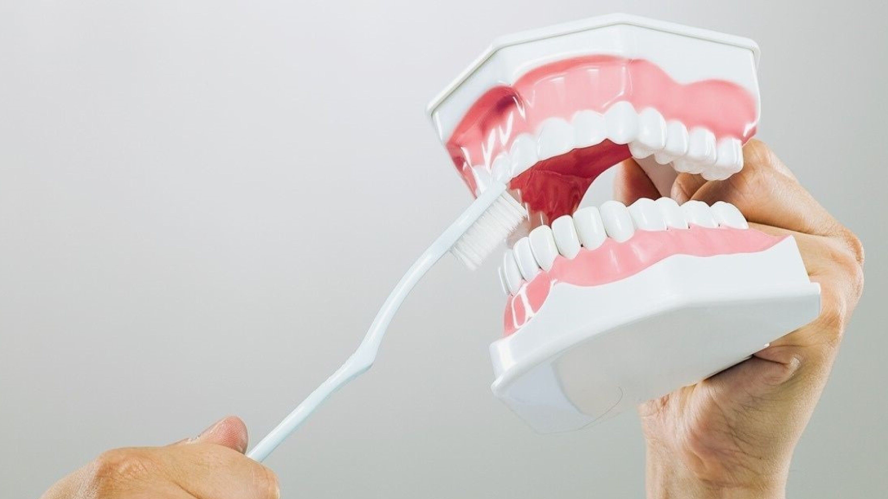
One of the basic steps in preventing tooth decay is regular and correct brushing. Brushing your teeth at least twice a day, especially before going to bed at night, helps remove bacterial plaque accumulated on the tooth surface.
It is not enough to focus only on the visible surfaces of the front teeth while brushing. The chewing surfaces of the back teeth, the inner parts of the teeth and the gum border should also be cleaned carefully.
Toothbrush can't reach between teeth It is among the areas that can be overlooked in terms of caries. Cleaning these areas with dental floss or interface cleaning tools suitable for the person's mouth structure is an important part of daily oral care.
How Does Fluoride Help Prevent Tooth Decay?
Fluoride helps tooth enamel become more resistant to acid attacks and balances early mineral loss. For this reason, age-appropriate amounts should be used in daily oral care. fluoride toothpaste Its use has an important place in protecting against caries.
Repeatedly rinsing the mouth with large amounts of water after brushing the teeth can reduce the effect of remaining fluoride from toothpaste in the mouth. For this reason, the dentist's recommendations should be taken into consideration in line with the product used and the person's needs.
In people with high risk of caries, additional protective methods such as professional fluoride applications may be considered.
How Does Sugar Consumption Affect Tooth Decay?
The relationship between sugary foods and tooth decay isn't just about sweets, chocolate or candies. Sugar-containing drinks, packaged snacks and some carbohydrate foods consumed frequently throughout the day can also be used by bacteria in the mouth.
Constant snacking or frequent consumption of sugary drinks, especially throughout the day, causes teeth to be repeatedly exposed to the acidic environment.
Therefore, to protect against caries, it is not only necessary to reduce the amount of sugary foods, Limiting the frequency of consumption It is important. Establishing a more regular eating habit instead of constantly consuming sugary snacks between meals can help protect oral health.
Does Drinking Water Protect Dental Health?
Water consumption helps remove food residues from the mouth and contributes to supporting saliva production.
Saliva is a natural protective mechanism in oral health. It helps balance the acids in the mouth and protect the tooth surface. Because The risk of cavities may increase in people who experience dry mouth.
Insufficient fluid consumption, some medications and different health conditions can cause dry mouth. For long-standing dry mouth, the cause needs to be evaluated rather than simply trying to drink more water.
How to Prevent Tooth Decay in Children?
The fact that milk teeth will change in the future does not mean that the decay in these teeth is unimportant. Milk teeth play important roles in the child's nutrition, speech and the eruption of permanent teeth in the correct position.
It is important that oral care in children begins with the eruption of the first teeth and that a toothbrush and fluoride toothpaste appropriate to their age are used. Brushing young children should be done under parental supervision.
The habit of sleeping with a bottle of milk or sugary drinks throughout the night can also increase the risk of cavities as it may cause the teeth to come into contact with carbohydrates for a long time.
According to the risk of caries in children fluoride and fissure sealant applications Preventive dentistry methods such as can also be used.
What is Fissure Sealant and Does It Prevent Caries?
Cleaning the deep recesses and grooves naturally found on the chewing surfaces of the rear molars may be difficult for some people. Accumulation of food and bacterial plaque in these areas can facilitate the formation of caries.
fissure sealantIt is a protective material applied to these recessed surfaces of teeth that are free of decay or are deemed suitable. The goal is to reduce bacteria and food buildup by making deep gutters easier to clean.
Although fissure sealants are frequently used, especially in children, the decision to apply them is made by evaluating the person's caries risk and tooth structure.
Can Tooth Decay Be Recognized Before It Starts?
Tooth decay doesn't always start with pain. Mineral loss, which can be seen as white or dull areas on the tooth surface in the early stages, can be noticed before a significant carious cavity forms.
At this stage, evaluating the person's risk of caries, arranging oral care and planning preventive practices can help prevent the progression of the caries process.
As the cavity progresses, sensitivity to hot, cold or sweet foods may occur. If deeper tissues are affected, pain may develop.
Because The thought "My tooth does not hurt, there is no cavity" is not true.
Why is regular dentist check-up important?
Some surfaces of the teeth are not in areas that the person can control on his own. Decays, especially those that start between two teeth, may not be noticed from the outside for a long time.
The condition of the teeth and gums is evaluated during regular dentist checks; When deemed necessary, radiological examinations can be used to check areas that are difficult to notice visually.
The frequency of checking does not need to be the same for everyone. People who have had multiple caries treatments before, patients with dry mouth, people who receive orthodontic treatment, or people who have difficulty maintaining oral hygiene may have a higher risk of caries. Control intervals can be planned based on this risk assessment.
Preventing Caries Starts with Daily Habits
It is not possible to protect against tooth decay with a single product or application. Regular tooth brushing, cleaning between the teeth, using fluoride toothpaste, reducing the frequency of consumption of sugary foods and drinks, and regular dentist check-ups should be evaluated together.
Controlling risks, especially those detected at an early stage, helps protect dental tissue as much as possible. Therefore, instead of visiting the dentist only when pain occurs, Making the preventive oral and dental health approach a part of daily life It is important.
At Istanbul Galata University Dental Hospital, the oral and dental health of child and adult patients is evaluated and individual caries risks as well as existing caries are taken into consideration. Protective practices and necessary treatments are planned according to need.
Medical Information: This article has been prepared for general information purposes. It is not a substitute for diagnosis or personalized treatment advice. A dentist examination is necessary to determine the appropriate care and treatment plan for your oral and dental health.